Paint correction is machine polishing that removes a very thin layer of clear coat to level out swirl marks, light scratches, haze and oxidation, so the paint reflects cleanly again. A one-step polish typically removes about 50 to 70% of swirl marks, and a two-step compound and polish about 75 to 90%. Scratches deep enough to catch a fingernail can't be fully removed.
I'm Tyroo. I've done 300+ details around the west San Fernando Valley since April 2024, I'm rated 5.0 across 41 Google reviews, and I measure the paint with a thickness gauge before a polisher touches it. Here's what correction really is, what it fixes, and what I charge for it.
"Paint correction" sounds like somewhere a car gets sent after it misbehaves. It's really a very, very fine sanding, which is a less glamorous sentence, so nobody in the industry says it out loud.
On this page
- Paint correction vs a polish, a glaze and a wax
- What does paint correction actually do?
- One step vs two step paint correction
- The paint correction process, step by step
- Swirl marks: what most people want gone
- Which scratches can be buffed out?
- Paint scuffs and paint transfer
- Paint correction vs polish: is there a difference?
- When paint correction isn't the right call
- What I see in Valley driveways
- Questions people actually ask
Paint correction vs a polish, a glaze and a wax
Only paint correction removes defects. A wax protects, a glaze hides swirls until it washes away, and correction levels the clear coat so the swirls are actually gone. They get mixed up because all four come in a bottle and all four make the car shiny for at least one afternoon.
| Wax | Glaze | One-step correction | Two-step correction | |
|---|---|---|---|---|
| What it does | Protects and adds gloss | Fills swirls so they hide | Polishes the clear coat level | Cuts with compound, then polishes |
| Removes swirls | No | No, it covers them | Typically 50 to 70% | Typically 75 to 90% |
| Removes clear coat | No | No | A tiny amount | A little more |
| How long it lasts | Roughly a month | Until it washes off | Removal is permanent | Removal is permanent |
| Time on a sedan | Part of a wash | Part of a wash | About 4 hours | About 8 hours |
| My price | In Wash & Wax, from $109.99 | Not on my menu | From $449.99 | From $899.99 |
The glaze is the sneaky one. Chemical Guys, who sell glaze, cheerfully call it makeup for your car: oils and fillers that sit in the swirls so you can't see them. It looks great right up until the third wash, when every swirl comes back for the reunion and brings a plus-one.
What does paint correction actually do?
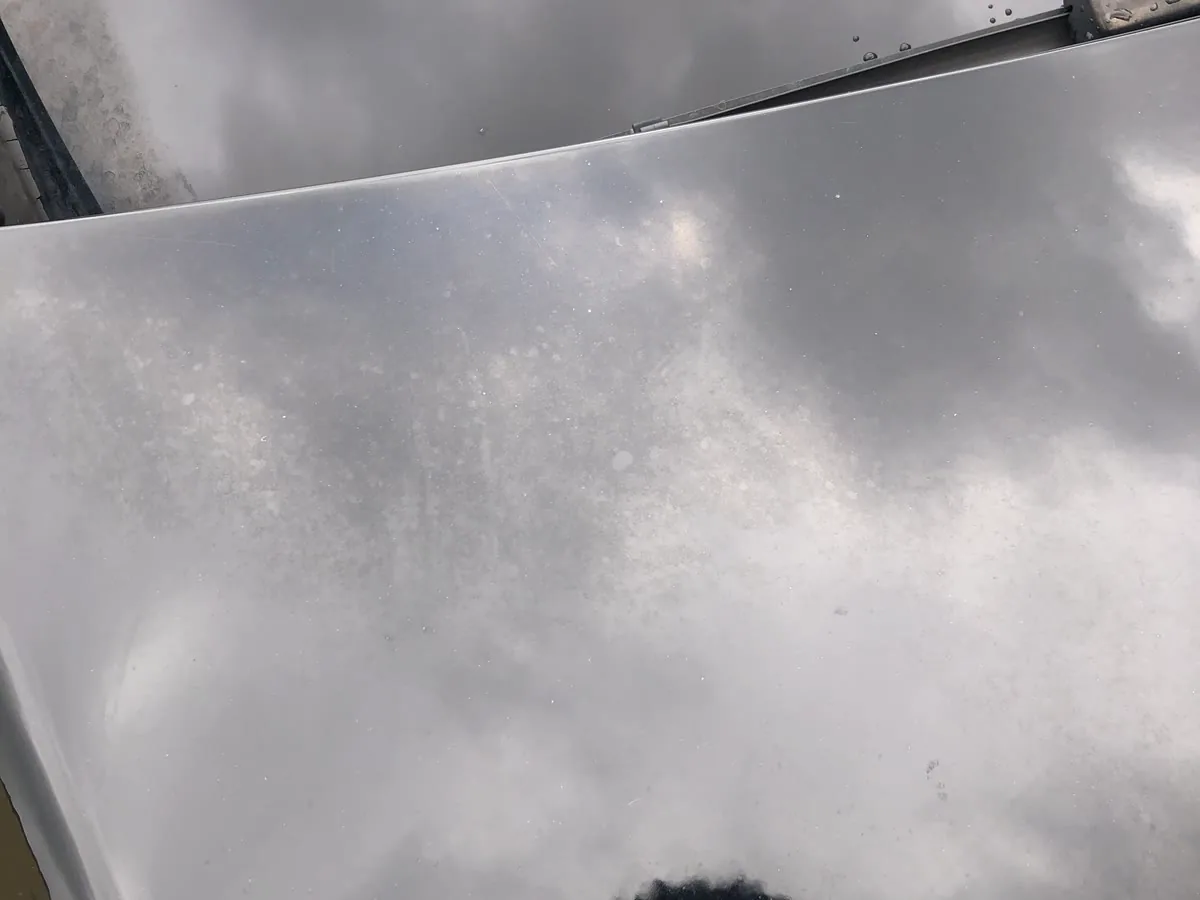
Paint correction takes a microscopic layer off the clear coat until the surface around a scratch is level with the bottom of it. A level surface bounces light back in one direction, and your eye reads that as a sharp, wet-looking reflection instead of a hazy one.
The layer it works in is thin. Factory clear coat typically measures 35 to 50 microns, about 1.5 to 2 mils, according to DeFelsko, who make the gauges. Mike Phillips, a long-time detailing teacher, compares it to a Post-it note, which is about 3 mils. Your car's whole sun protection is thinner than the sticky square on your fridge that says "milk".
A light polish is generally estimated by detailers to take 1 to 3 microns per pass (a practitioner figure, not a lab test). That's why it's safe done once. It's also why it isn't a spring ritual, like a dentist who'd love to see you every week and gets a little sad when you say no.
DeFelsko states it plainly: it's virtually impossible to see how much paint is being removed while buffing. So I don't guess. The gauge reads the panel before the polisher goes anywhere near it.
One step vs two step paint correction
A one-step uses a single polish and pad to lift light swirls, haze and dullness, and typically removes about 50 to 70% of swirl marks. A two-step cuts first with a compound, then refines with a polish, and typically removes about 75 to 90%. The second stage roughly doubles both the time and the price.
On my menu the one-step is Paint Enhancement, from $449.99, about 4 hours on a sedan. The two-step is 2 Step Compound + Polish, from $899.99, about 8 hours on a sedan and close to 12 on a big truck. Prices by vehicle size and what each one includes are on my paint correction page.
| Vehicle size | One-step price | One-step time | Two-step price | Two-step time |
|---|---|---|---|---|
| Coupe or sedan | $449.99 | About 4 hours | $899.99 | About 8 hours |
| Midsize SUV | $549.99 | About 5 hours | $1,099.99 | About 10 hours |
| Truck or large SUV | $649.99 | About 6 hours | $1,299.99 | About 12 hours |
Those percentages are typical ranges, not a promise about your car. I'd rather undersell than have you in a parking garage at 9pm, phone torch out, hunting the door for the 10% I mentioned (you would, too, and so would I).
Most daily drivers only need the one-step. The two-step earns its keep on dark paint after years of automatic washes, because black paint shows every swirl like it's being questioned under a desk lamp.
The paint correction process, step by step
Professional paint correction runs in the same order every time: inspect and measure, wash, decontaminate, polish, then protect. Skip the decontamination and you're grinding the dirt into the very paint you're paying to fix.
- Inspect and measure. I walk the panels with you, take gauge readings, and show you what's achievable before I start, not after.
- Wash. Foam pre-soak and rinse, a detailed hand wash, then a hand dry.
- Decontaminate. Iron remover and a clay bar across every panel, to pull out the bonded grit a wash can't move.
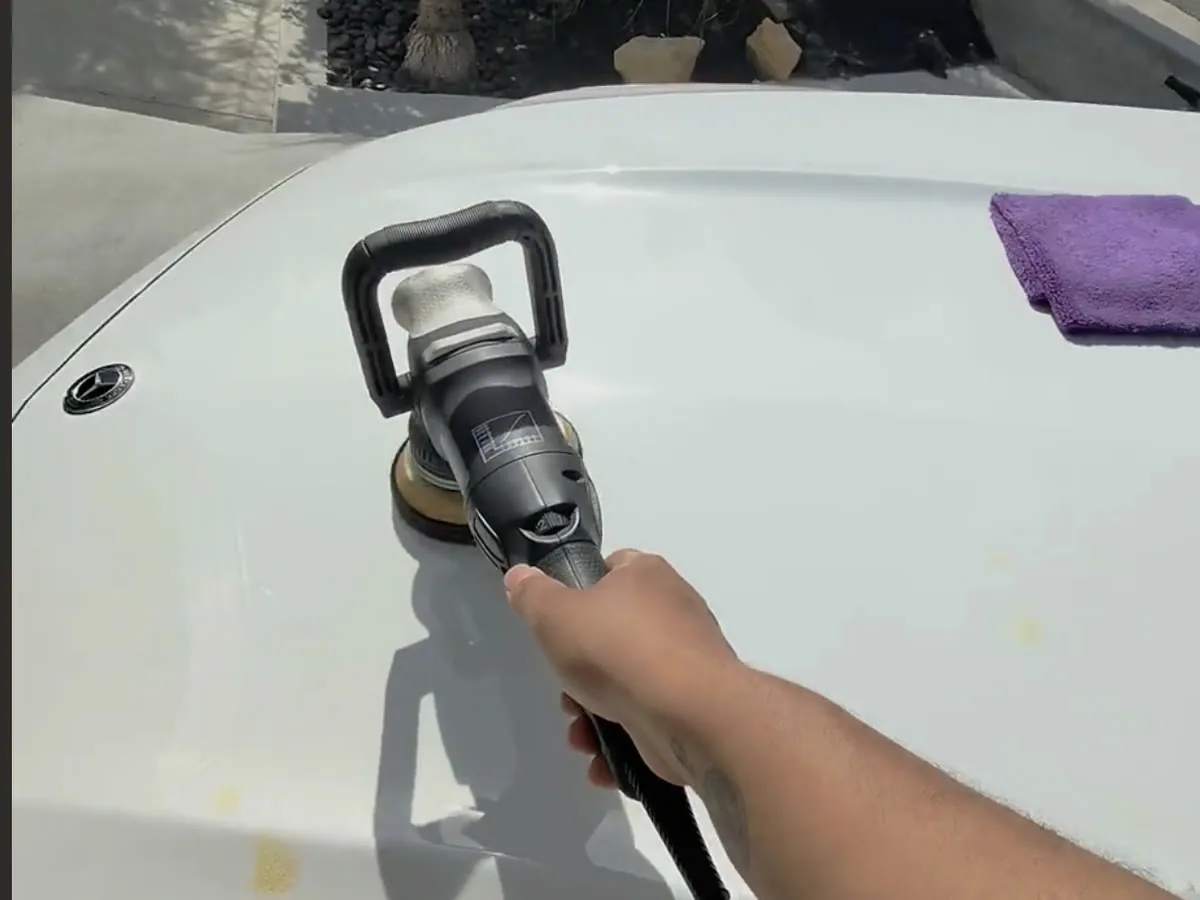
- Polish. Compound first on a two-step, then polish, panel by panel with a dual action polisher.
- Protect. A 12-month ceramic-infused sealant over the finished paint.
Step three is the one people want to skip and the one that matters most. Polishing over bonded grit is exfoliating with beach sand, and nobody leaves that spa happy.
A dual action polisher oscillates as it spins, so it builds less heat in one spot than a rotary and forgives more on modern paint. Forgiveness is a quality I value in a tool, and in a parking officer.
Swirl marks: what most people want gone
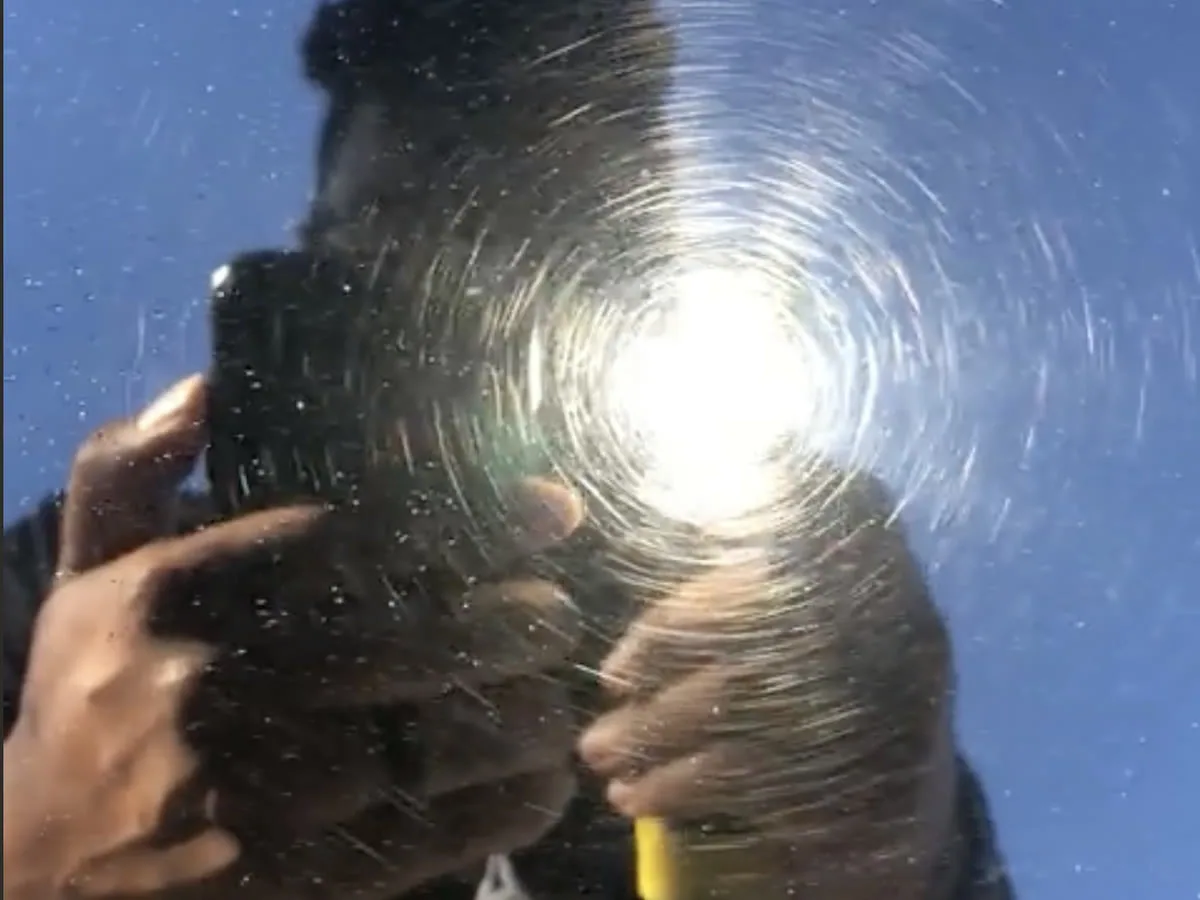
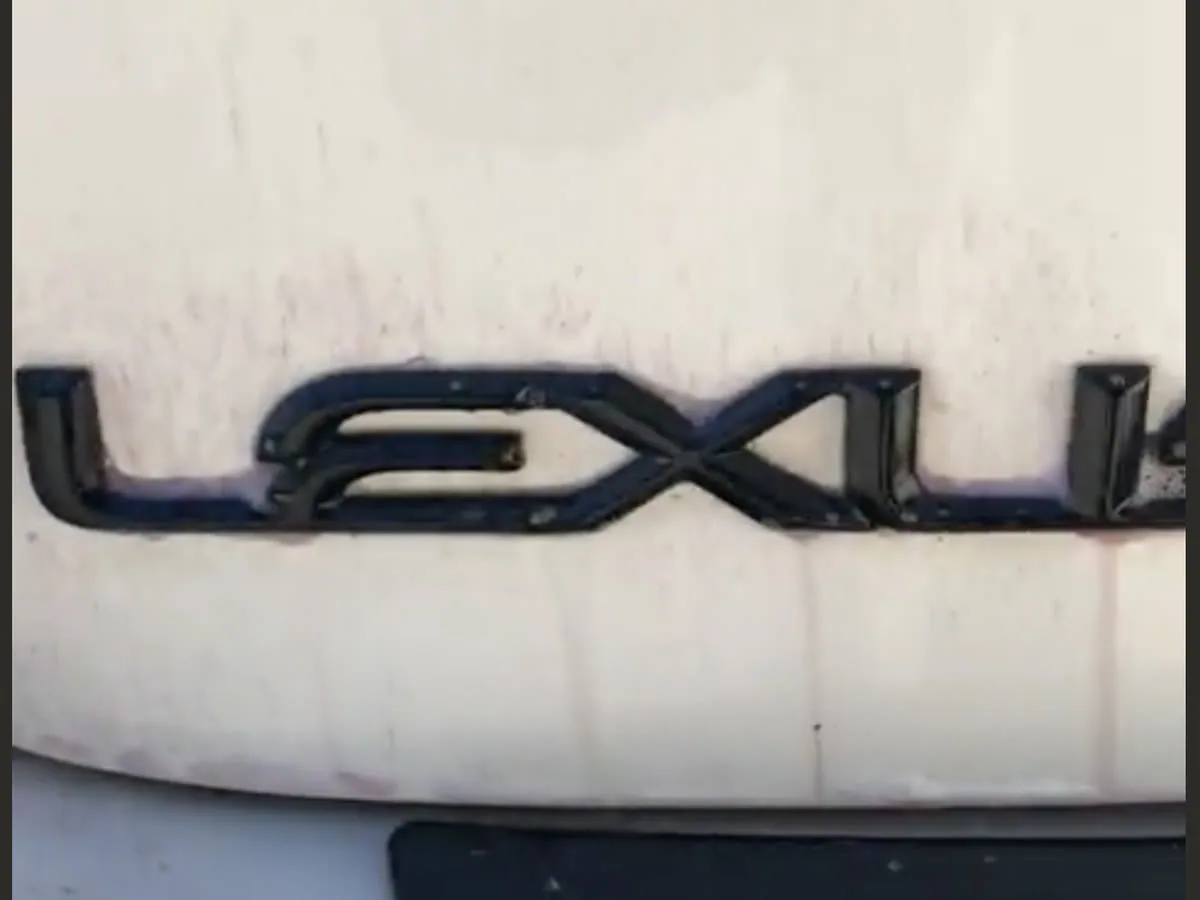
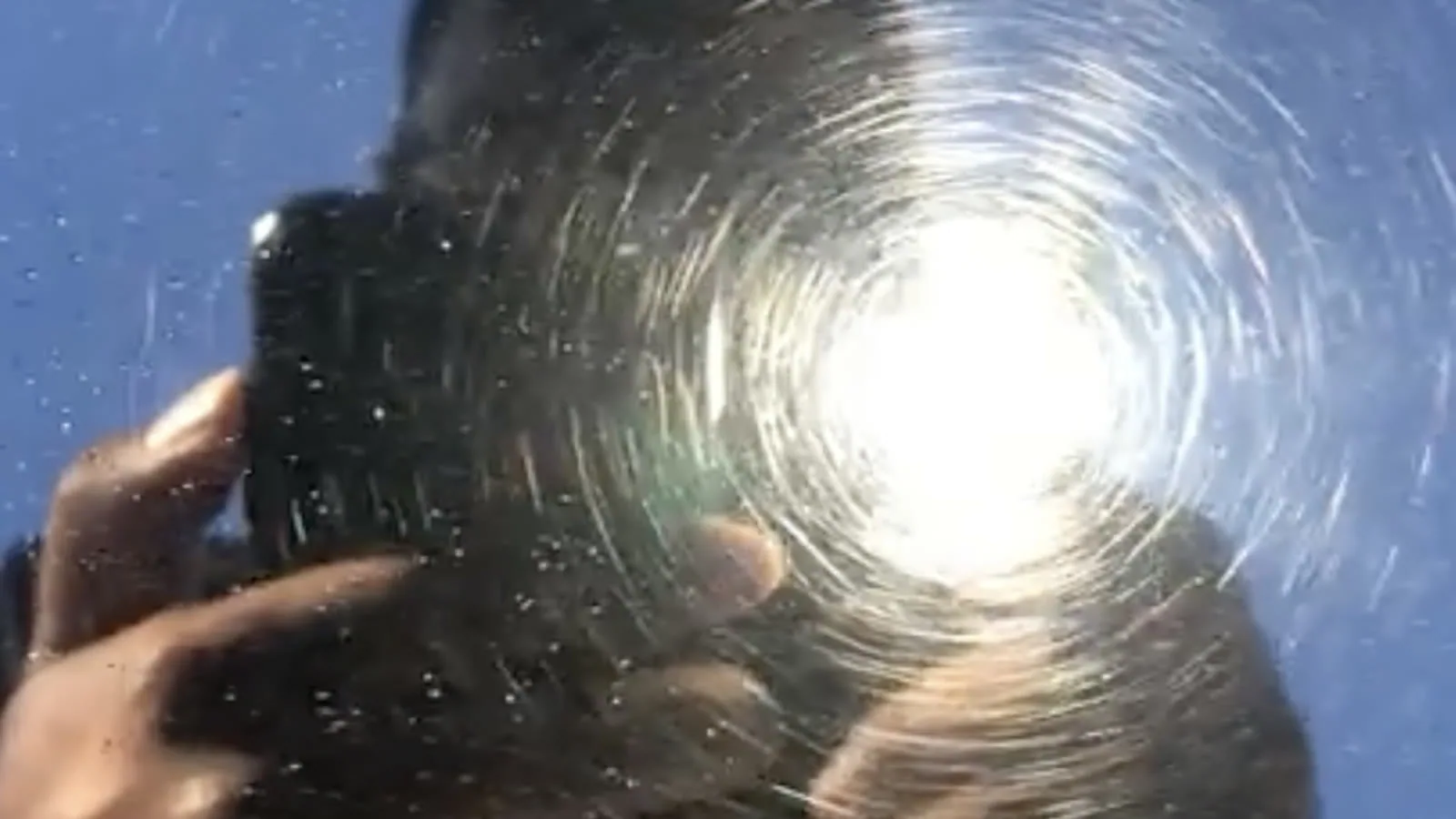
Swirl marks are fine circular scratches in the clear coat, usually left by dirty wash mitts, rough towels or automatic car wash brushes. They show up as a spiderweb around any bright light. Because they sit inside the clear coat, a one-step polish typically removes most of them.
If you've ever parked under a gas station canopy at night and wondered who keyed your car in a perfect circle, nobody did. It was the car wash, one visit at a time, and you had a loyalty card for it.
Hand washing isn't automatically innocent either. A mitt that drags grit across the hood does the exact same damage, just with better intentions and a bucket.
Which scratches can be buffed out?
A scratch can be buffed out if it's still inside the clear coat. Run a fingernail across it: if the nail glides over, polishing will usually remove it or greatly reduce it. If the nail catches, the scratch has likely cut through the clear coat and can only be made less visible.
The fingernail test is the cheapest diagnostic tool in this whole industry. It's also the most disappointing, because the scratch you actually care about is always the one your nail drops into like a shopping cart wheel finding the one crack in the parking lot.
Paint scuffs and paint transfer
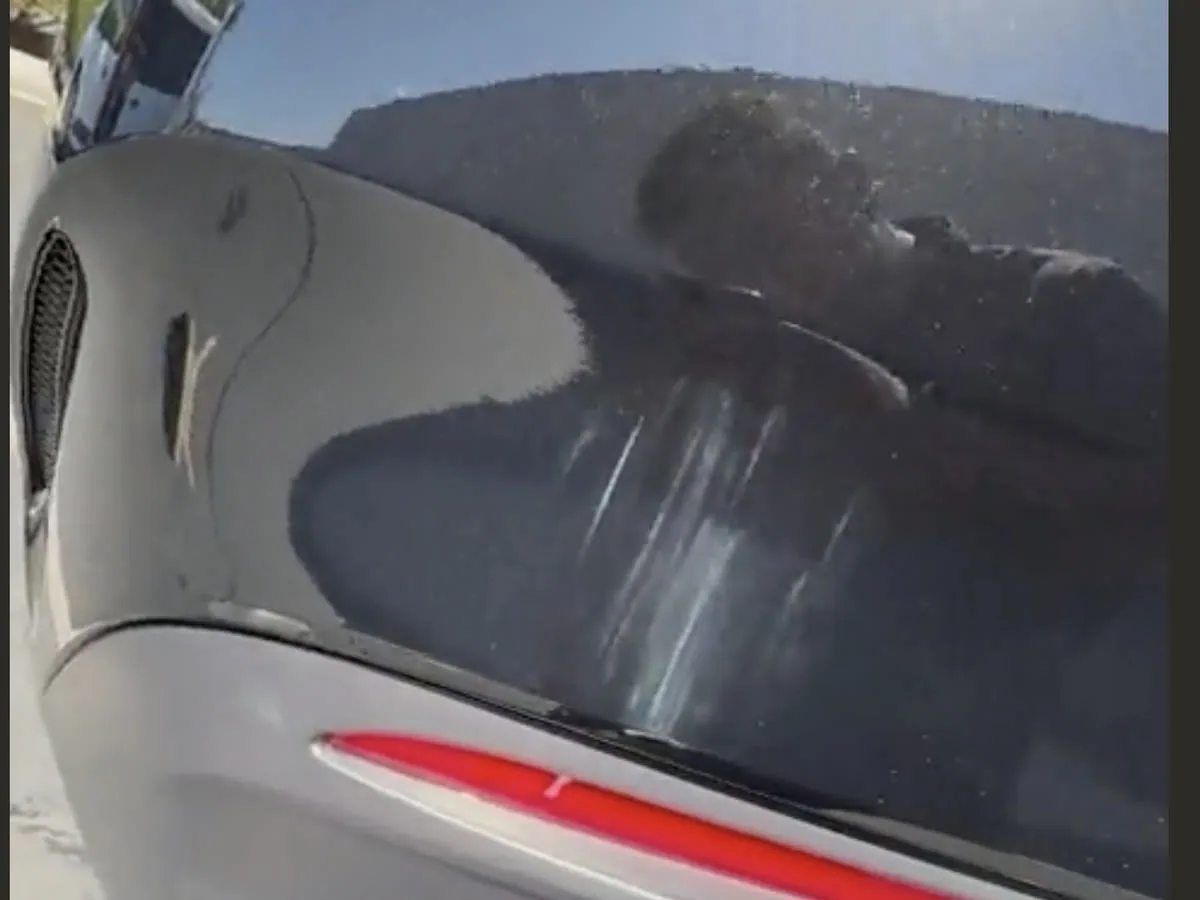
A scuff is often paint or rubber from whatever you touched, sitting on top of your clear coat rather than cut into it. That transfer usually comes off with a compound or a polish. If the scuff went through to primer or bare plastic, polishing can't rebuild paint that isn't there anymore.
The parking garage pillar that got you almost always leaves a souvenir in its own color, usually yellow, as if it wanted credit for the work.
Paint correction vs polish: is there a difference?
Paint correction is polishing, but not every product called polish corrects. A correcting polish is abrasive and levels the clear coat. Some products sold as "polish", and every glaze, add gloss or fill swirls without removing anything. If nothing comes off, nothing got corrected.
The word "polish" does about four jobs in this industry, which is three more than any one word should be allowed. If a quote says "polish" and the price looks like a car wash, ask which kind you're getting.
When paint correction isn't the right call
Paint correction isn't the right call if you're selling the car soon, if the clear coat is already peeling, or if the scratches you care about are through to the base coat. In all three cases you'd be paying for hours that won't show up where you need them.
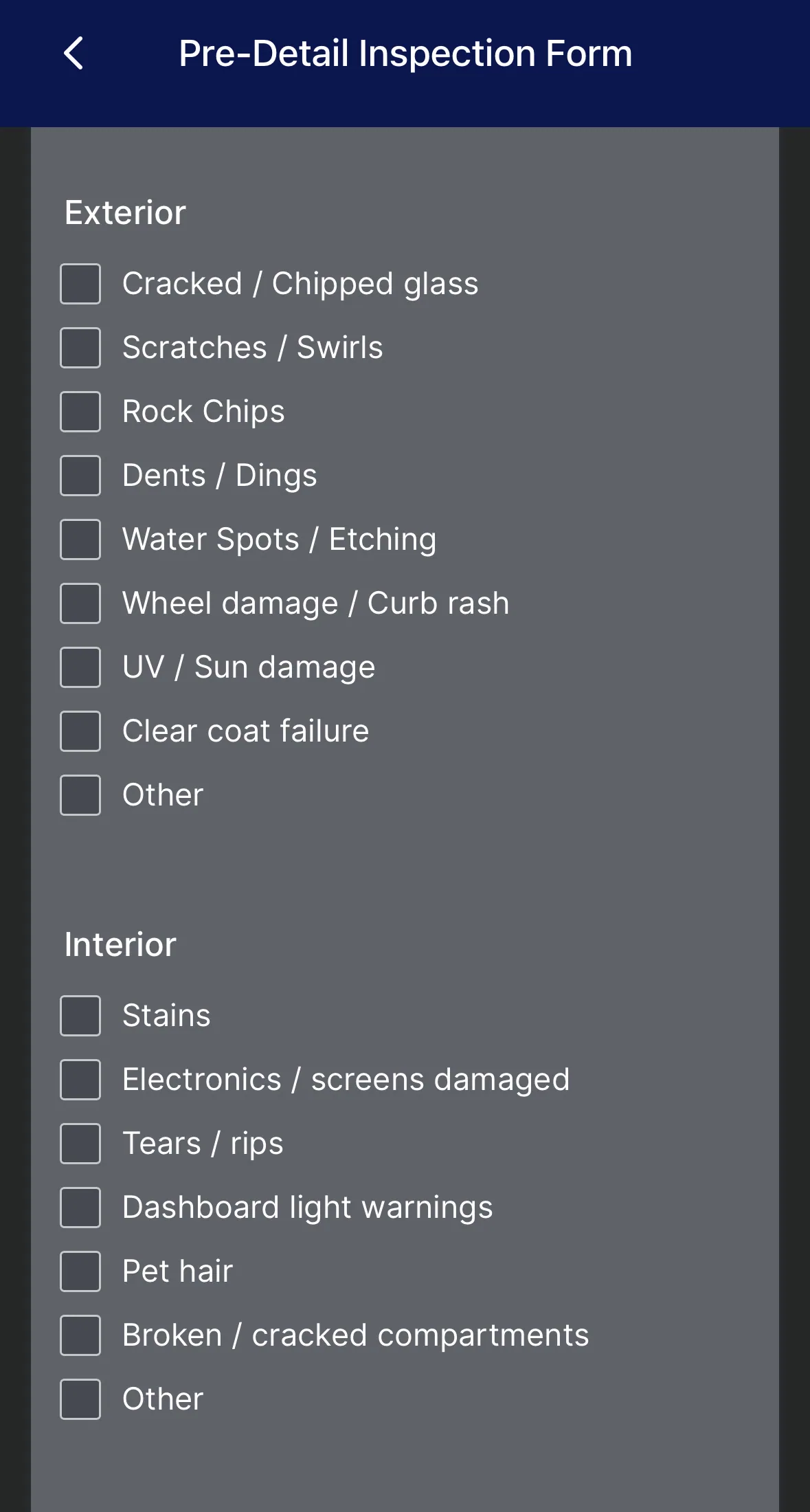
One caller was ready to book a correction before listing her car. We talked it through and she booked a Premium Detail instead: cheaper, faster, and it made the car look ready to sell. Turning down the bigger job felt strange for about four seconds.
Even Mike Phillips advises against chasing every single scratch on a daily driver. Anyone promising you 100% on a commuter car is either very new, or very confident about your eyesight.
What I see in Valley driveways
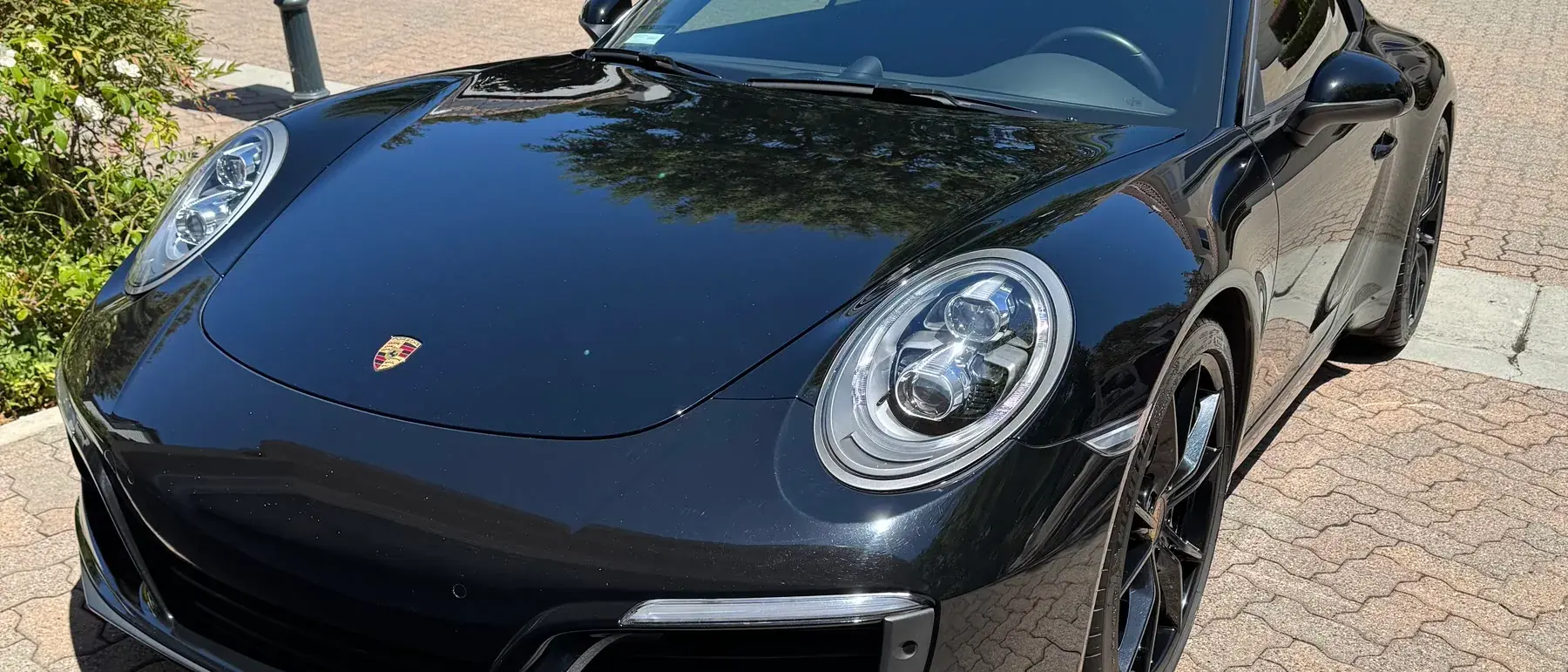
Most of the correction I do happens in a driveway or a garage in the west San Fernando Valley, on everything from a black Porsche 911 to a daily driver that's lived at the automatic wash. The first thing I do on every one is the gauge reading, and I say the result out loud before anything starts.
The fear I hear most isn't about the price. It's this, from a caller in August: "I don't wanna risk scratching it a little bit more." That's the right fear to have, and it's why the reading comes first.
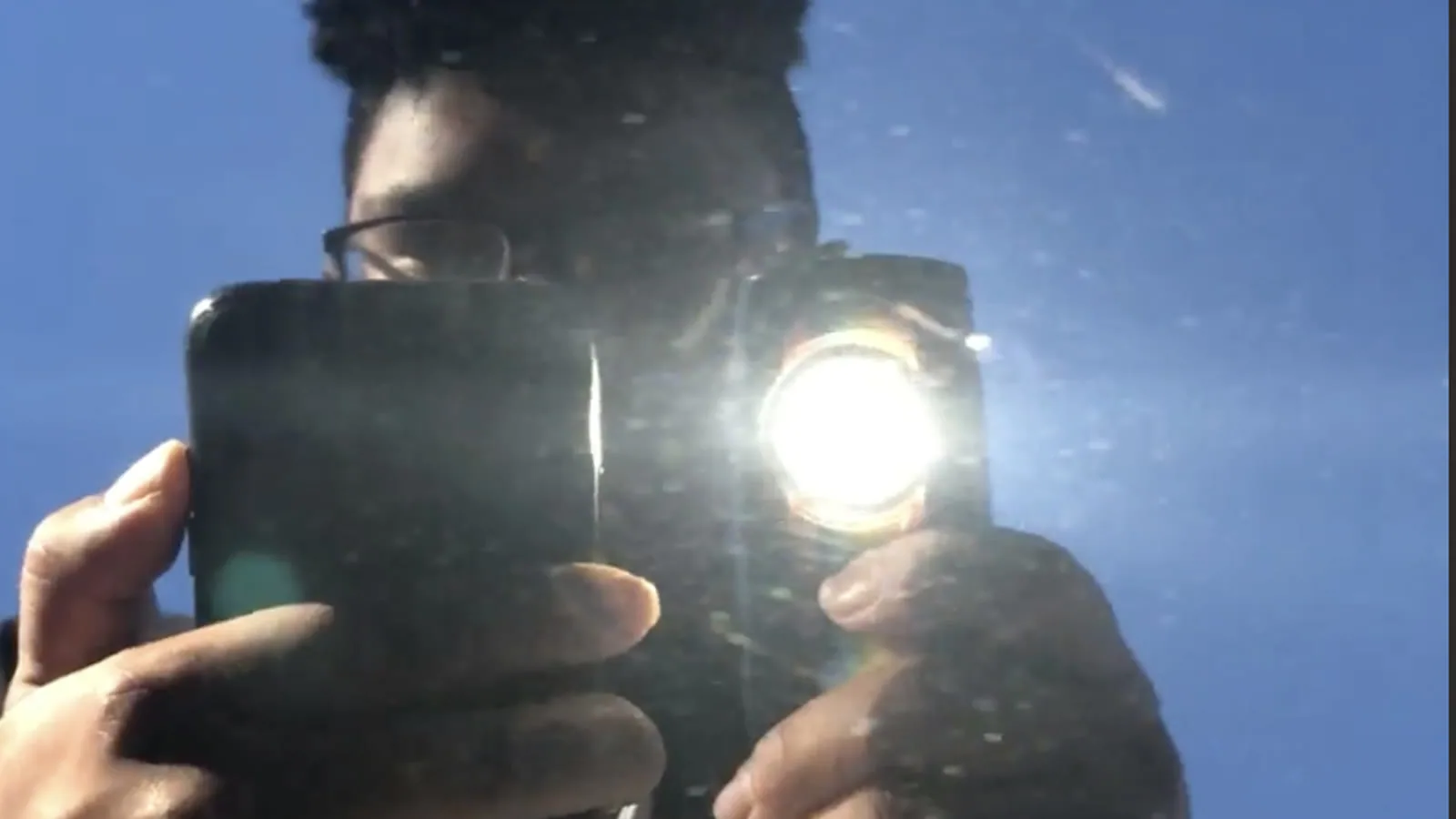
One customer had a full detail, a paint correction and a ceramic coating done in a single visit and wrote: "They were able to fully detail, paint correct, and ceramic coat the interior and exterior of my vehicle in 5 hrs."
On price, one national cost guide puts a one-step at $300 to $600 and a two-step at $600 to $1,200, with California shops at $850 to $1,500 for a two-step. Mine start at $449.99 and $899.99, which puts me inside the California range rather than under it, with the gauge readings and the number said out loud before anything starts.
Questions people actually ask
How long does paint correction take?
A one-step takes about 4 hours on a sedan and close to 6 on a large truck. A two-step takes about 8 hours on a sedan and close to 12 on a large truck, because it adds a full cutting stage before the polish.
How long does paint correction last?
The removal is permanent: a swirl that's been polished out is gone. New swirls arrive with the next careless wash, so how long the finish stays clean depends almost entirely on how the car is washed afterwards.
Can paint correction damage your paint?
Done carelessly, yes, because it removes clear coat and clear coat doesn't grow back. That's why the paint should be measured with a thickness gauge first and polished with the least aggressive step that does the job.
Do you need paint correction before a ceramic coating?
Yes. A coating seals in whatever is underneath it, swirls included. Every ceramic coating I install includes a one-step paint enhancement first.
How much does paint correction cost?
One national cost guide puts a one-step at $300 to $600 and a two-step at $600 to $1,200, with California shops charging more. Mine start at $449.99 for a one-step and $899.99 for a two-step, priced by vehicle size.
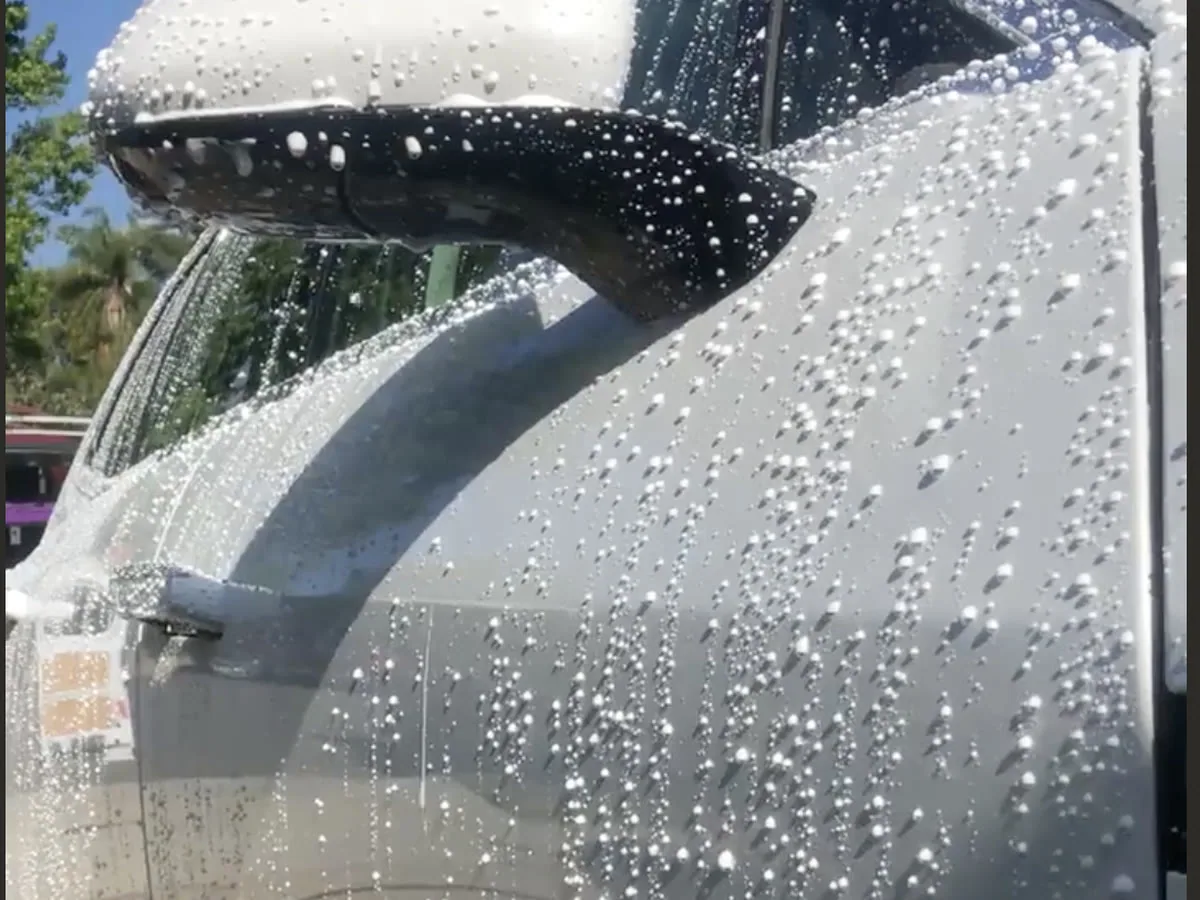
Find out what your paint actually needs
If you're in the west San Fernando Valley, I'll take the readings in your driveway and tell you which step the car needs, or whether it needs one at all, before anything starts. Prices by vehicle size, what's included and booking are on the paint correction page.
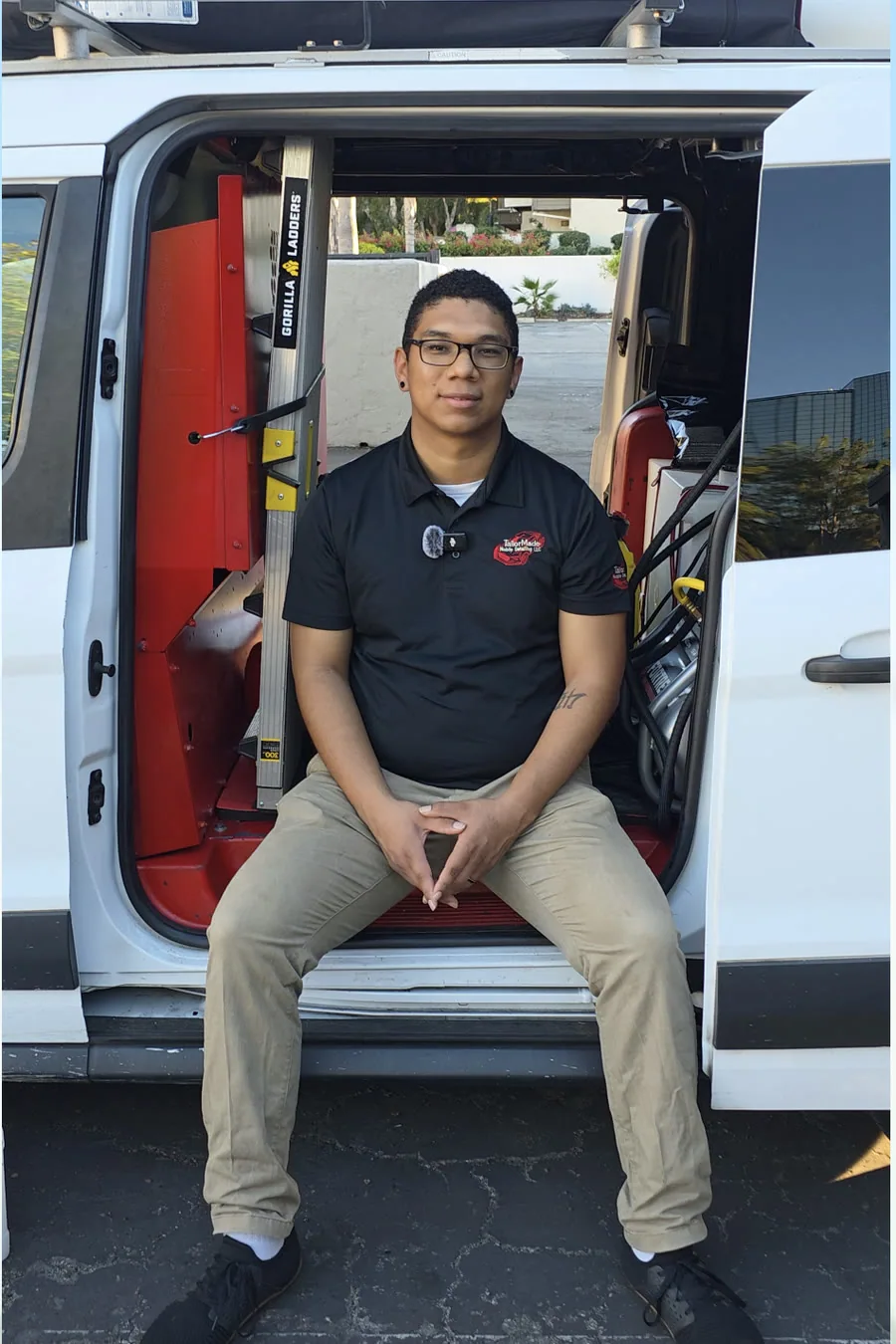
Tyroo West owns TailorMade Mobile Auto Detailing and details every car himself. He's trained in paint correction and ceramic coating, a certified SunCoat USA installer, fully insured, and has completed 300+ details since April 2024. More about Tyroo