To protect car paint, wash it gently and regularly, get bird droppings and sprinkler spots off quickly, park out of direct sun when you can, and keep a layer of protection on the clear coat. A wax lasts weeks, a sealant a few months and a ceramic coating years. Only paint protection film stops rock chips.
I'm Tyroo. I've done 300+ details around the west San Fernando Valley since April 2024, I'm rated 5.0 across 41 Google reviews, and I'm a certified SunCoat USA installer. Everything below is what I'd tell you standing next to your car, prices included.
Your paint has one job, which is to look good while the sun, the sprinklers and every bird in Woodland Hills take turns trying to ruin it. It's a lot to ask of something thinner than a sticky note.
On this page
- Wax, sealant, ceramic coating or film: what each one does
- Ceramic coating vs wax
- Does ceramic coating prevent scratches?
- The sun: the Valley's real paint problem
- Faded and oxidized paint: can it come back?
- Water spots and sprinklers
- Bird droppings: get them off today
- Washing: where most paint damage really starts
- Car covers: helpful or harmful?
- What I see on Valley cars
- Questions people actually ask
Wax, sealant, ceramic coating or film: what each one does
Wax, sealant and ceramic coating all add a protective layer on top of the clear coat, and they differ mostly in how long they last. Paint protection film is a physical layer thick enough to take a rock chip for you. None of them fixes damage that's already there.
| Wax | Sealant | Ceramic coating | Protection film | |
|---|---|---|---|---|
| What it is | Natural or blended wax | Synthetic polymer layer | Hard, thin chemical layer | Clear urethane film |
| How long it lasts | Weeks, roughly a month on mine | 3 to 4 months, or 12 on my ceramic-infused one | Rated 2, 5 or 10 years | Film warranties often run 10 years |
| Stops rock chips | No | No | No | Yes |
| Stops scratches | No | No | Light marring only | Light scratches, often self-heal |
| My price | Wash & Wax from $109.99 | Add-on $30.00, or Wash Clay & Seal from $149.99 | From $929.99 | I don't install film |
The film warranties are worth reading closely. XPEL's covers the film itself against yellowing, blistering, cracking and delamination, which is the film keeping its promises to itself. Your paint underneath is a separate conversation.
Ceramic coating vs wax
A ceramic coating lasts years and stands up to heat, chemicals and UV far better than wax. A wax lasts weeks, costs much less and needs reapplying. Chemical Guys, who sell both, say wax can last up to three months and ceramic two to five years or more.
Heat is where wax struggles in the Valley. Dr. Beasley's, a sealant maker, measured a dark hood in the afternoon sun at 188.5°F, against carnauba's melting point of 180 to 185°F. Wax melting off a hot hood is practitioner reasoning rather than a controlled study, but it does explain the August afternoon you waxed the car and it looked like you'd waxed a different car.
Whether a coating is worth it for your car, and who should skip one, is its own question. I answered it honestly in is ceramic coating worth it.
Does ceramic coating prevent scratches?
No. A ceramic coating resists light marring from washing, but it doesn't stop scratches or rock chips. Most coatings are under 5 microns thick, sitting on 35 to 50 microns of clear coat, and a layer that thin can't armor a car.
Feynlab, a coating maker, puts it bluntly: a true 9H film would need to be over 150 microns thick, so a 9H test on a thin coating mostly measures the panel underneath. Even the thickest coating I install, SunCoat Max, is rated up to 0.96 mil, about 24 microns.
So when somebody tells you a coating made their car scratch-proof, smile and nod the way you would at a friend who says their dog understands English. The dog understands "walk" and the coating understands "light swirls".
The sun: the Valley's real paint problem
UV light is what slowly breaks down paint. PPG, one of the biggest paint makers, says UV can break down the bonds in the base coat and that the clear coat on top carries the UV blockers. Once that clear coat wears thin, the color under it starts to fade.
Los Angeles gets a lot of that light. NOAA's 2025 UV chart for LA shows about 145 days at "very high" or "extreme". And Woodland Hills holds LA County's official heat record, 121°F in September 2020, which is a fun fact to share with people from Seattle and a less fun fact to share with your hood.
The cheapest protection is shade: a garage, a carport, the one tree in the office lot that everyone pretends they didn't race for. After that, a sealant or coating with UV resistance does the rest.
Faded and oxidized paint: can it come back?
Faded, chalky paint can usually be brought back by machine polishing, as long as the clear coat is still there. Polishing removes the dull, oxidized top layer and exposes fresh clear coat underneath. If the clear coat is peeling or flaking, polishing can't rebuild it, and the panel needs paint.
How that polishing works, and how little clear coat it takes, is in what is paint correction. The short version: you only get to spend that clear coat once, like a gift card with no balance check.
Water spots and sprinklers
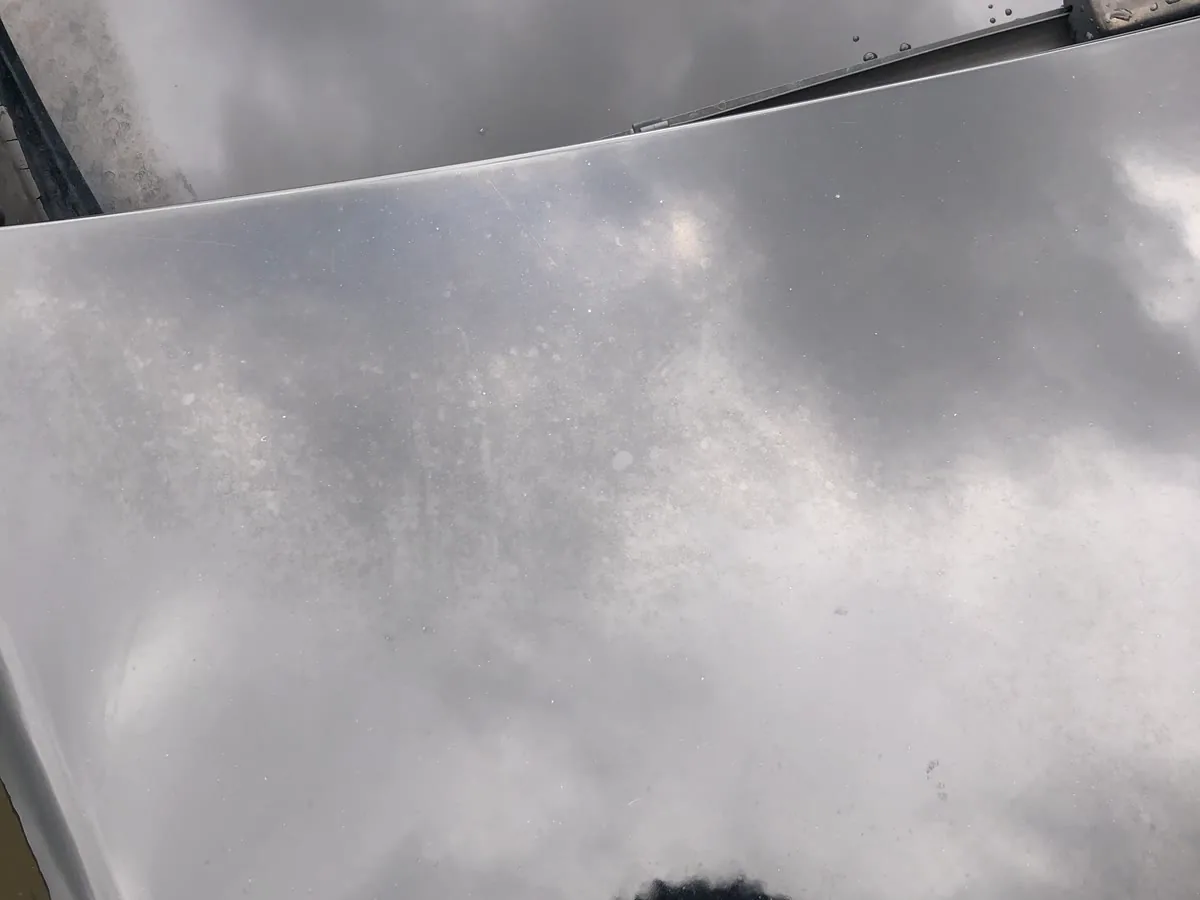
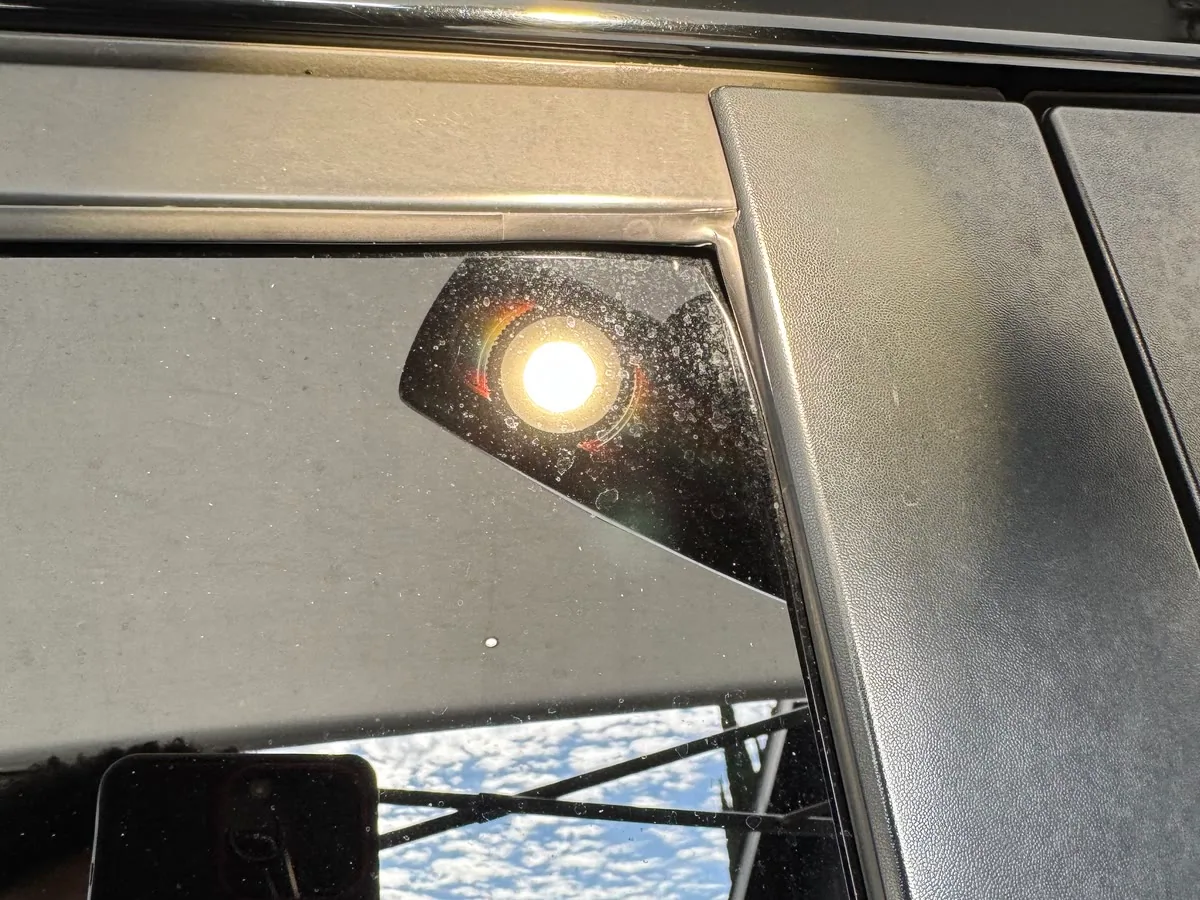
Water spots are minerals left behind when hard water dries on paint or glass. Wipe them off fresh and they're gone. Leave them to bake in the sun and they can etch into the clear coat, which then needs polishing to remove.
Valley tap water is hard. LADWP's own figures put the San Fernando Valley at an average of 8.6 grains per gallon, and anything over 7 counts as hard. Every sprinkler that clips your car leaves a little of that behind, like a tiny chalk signature from your neighbor's lawn.
Mike Phillips, a long-time detailing teacher, put it simply on the Autogeek forum: most etching happens while the spots are still wet. So the fix is boring and works: dry the car after a sprinkler hit, and park out of the spray path if you can.
Bird droppings: get them off today
Bird droppings can etch clear coat, and heat makes it happen faster. Researchers at BASF found the enzymes in droppings break down the chemical bonds in clear coat, and a hot panel softens around the dropping, then hardens around it as it cools. Remove them the same day.
Soak it first with a wet microfiber or a quick detailer spray, wait a minute, then lift it off rather than wiping. Scrubbing a dry dropping drags grit across the paint, which turns one problem into two problems and a smear.
Birds, for the record, pick the freshly detailed car every single time. I've stopped taking it personally. Mostly.
Washing: where most paint damage really starts
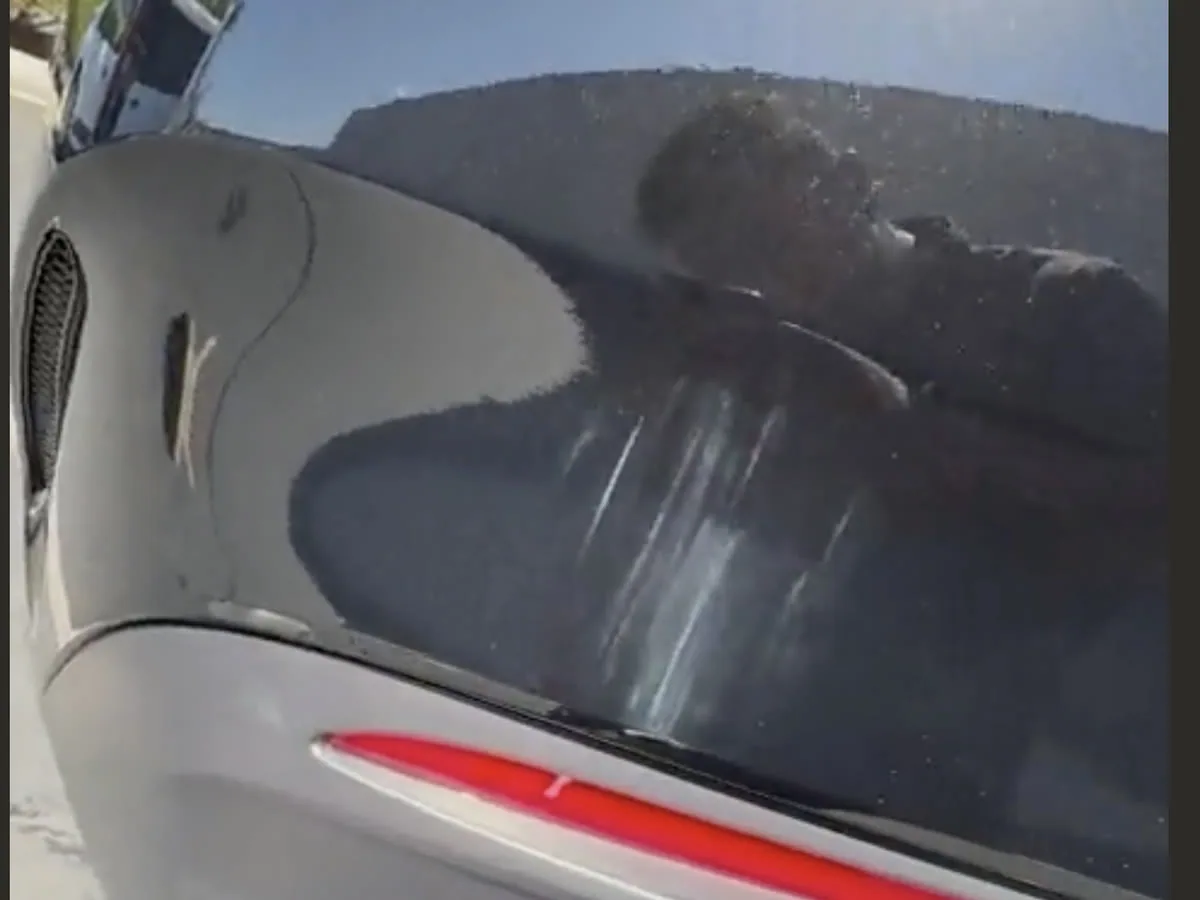
Most scratches on a daily driver come from washing, not from the road. Brush car washes rub contaminants across the surface, which leaves fine scratches that look like swirls. A careful hand wash with clean mitts and two buckets, one soapy and one for rinsing, avoids most of it.
The automatic wash is quick and cheap, and it has washed four hundred filthy trucks since breakfast with the same brushes it's about to use on you. That's not a scandal. It's just math with bristles.
If you'd rather not think about it at all, that's what my maintenance plans are for: a proper hand wash on a schedule, with a spray sealant every visit.
Car covers: helpful or harmful?
A car cover helps when it goes on a clean, dry car and fits snugly. It hurts when it's dragged over dusty paint or flaps in the wind, because the dirt trapped underneath rubs fine scratches into the clear coat.
Santa Ana season is the test. A loose cover in a 40 mph gust isn't protecting anything. It's polishing your car with yesterday's dust, for free, all night, with great enthusiasm.
What I see on Valley cars
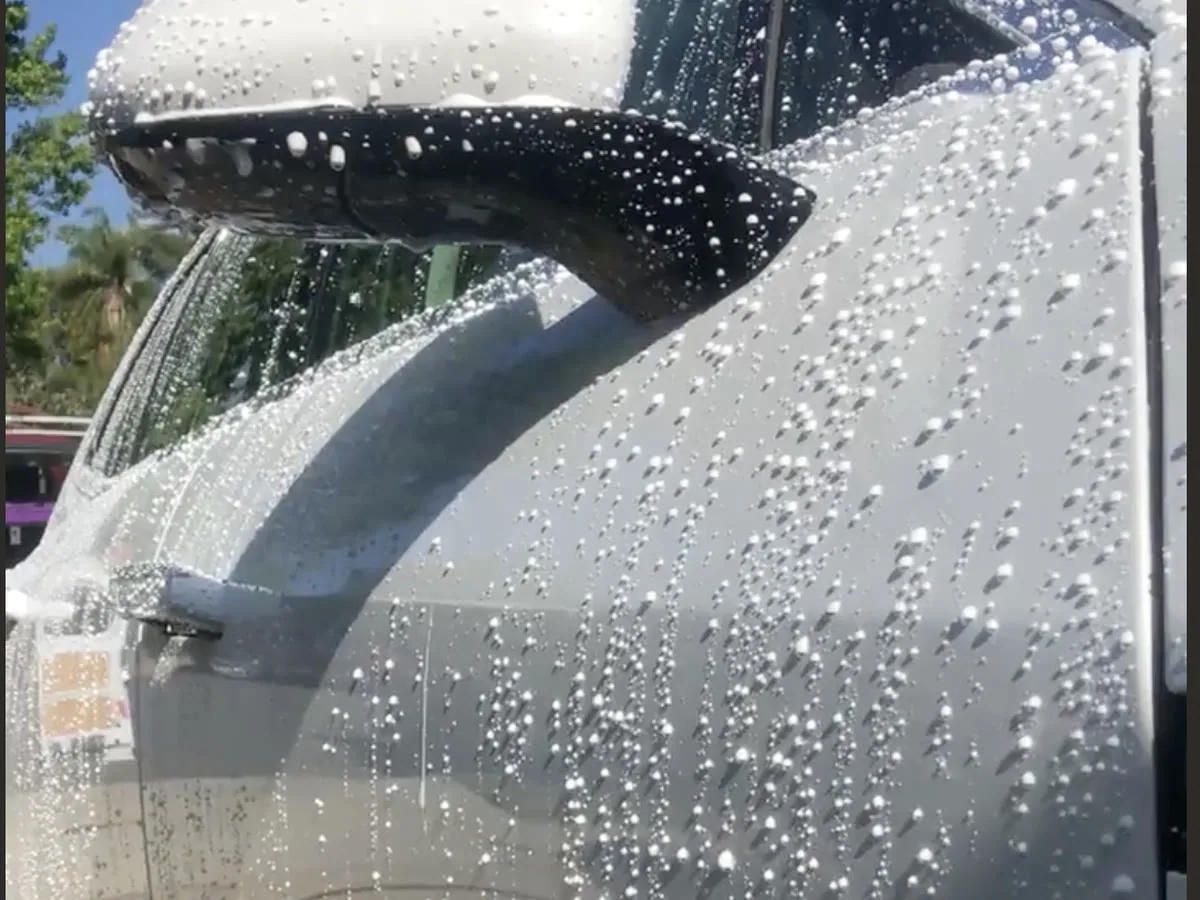
Protection only lasts as long as the washing lets it. A coating can't win against a brush wash every Sunday, however good the bottle was.
One caller asked me to redo his coating. It didn't need replacing, only a proper clean, and I told him so. Another told me a dealership coating on his last car had to be reapplied after five years. Ask what a warranty actually covers before you pay for one.
Water spots are the other regular. Cynthia's black Murano had spots a high-end car wash couldn't shift, and she wrote afterwards: "TailorMade came to me and was able to remove all the spots on the body and windshield and windows."
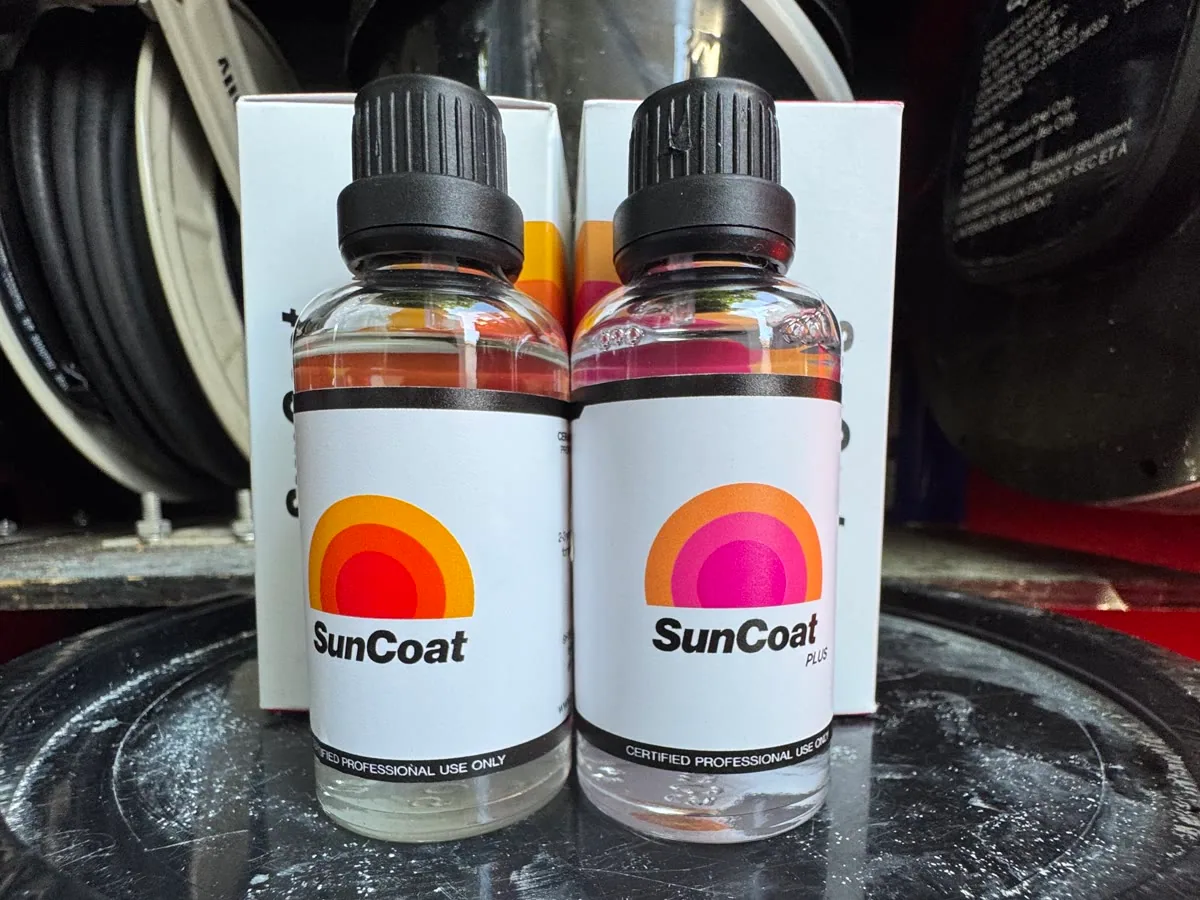
What I install is SunCoat: the 2 year coating from $929.99, and the 5 and 10 year coatings, which are warrantied through SunCoat USA and registered to your vehicle's CARFAX record. Every one includes a 1-step paint enhancement first, because a coating seals in whatever's underneath it.
Questions people actually ask
What is the best way to protect car paint?
Wash it gently and regularly, get bird droppings and sprinkler spots off quickly, park out of direct sun when you can, and keep a layer of protection on the clear coat. For long-term protection that's a ceramic coating; for rock chips it's paint protection film.
How often should I wax my car?
Most waxes say to reapply about every six weeks. In strong sun and heat it can wear faster, which is why many Southern California owners move to a sealant or a ceramic coating instead.
Is ceramic coating better than wax?
It lasts much longer and handles heat, chemicals and UV better, but it costs more up front and needs the paint corrected first. A wax lasts weeks; a ceramic coating is rated in years. Mine start at $929.99 for a 2 year coating.
Do car covers scratch paint?
A clean, snug cover on a clean, dry car usually doesn't. A cover dragged over dusty paint, or one that flaps in the wind, can rub fine scratches into the clear coat.
Can oxidized paint be restored?
Often, yes. If the clear coat is still there, machine polishing removes the dull, oxidized layer and brings the gloss back. If the clear coat has peeled or flaked away, polishing can't rebuild it and the panel needs paint.
Pick the protection that fits how you use the car
If the car lives outside and you plan to keep it, a coating is the one that pays you back. Prices by size, what's included and booking are on the ceramic coating page. If the paint is already swirled or dull, start with the paint correction page instead.
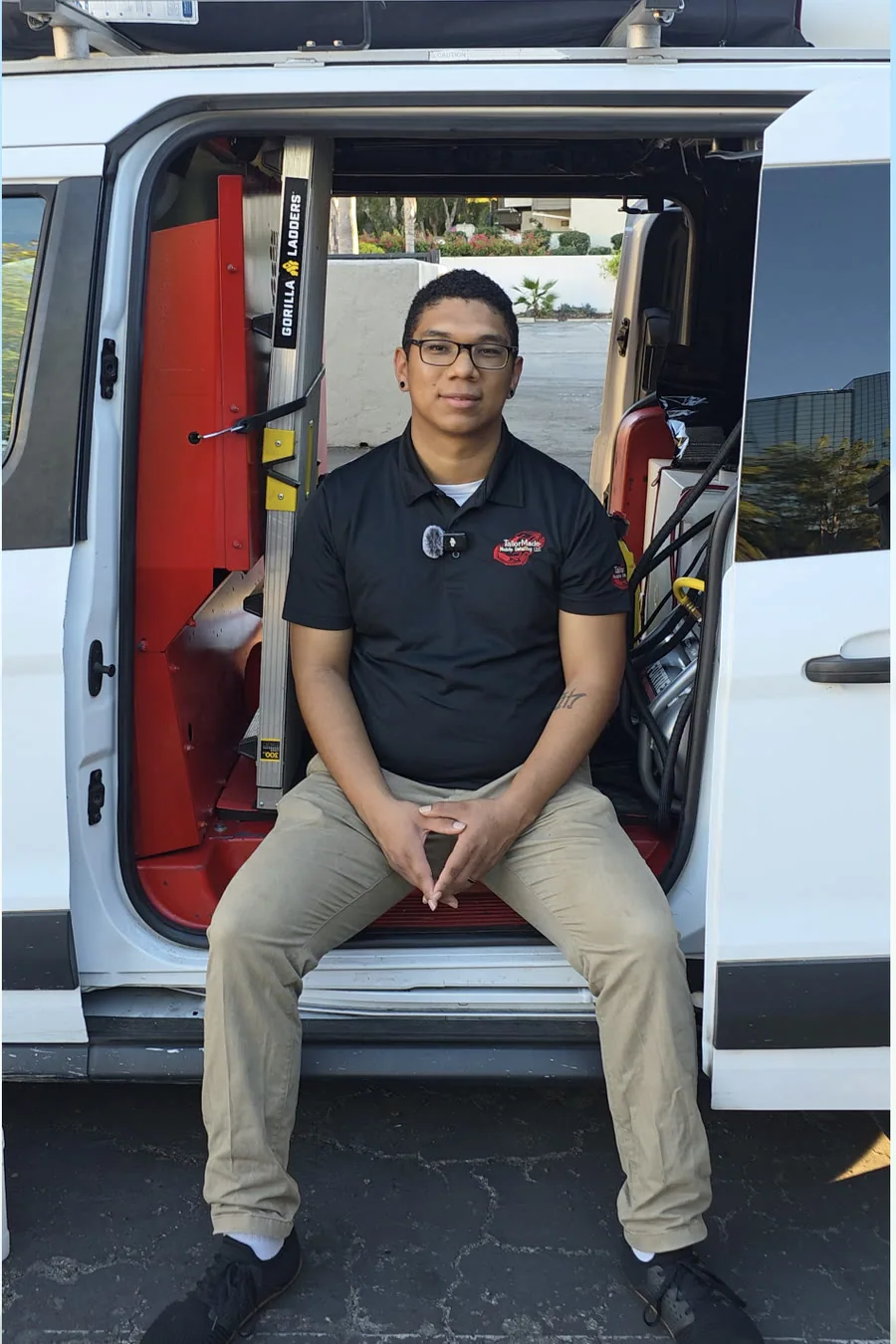
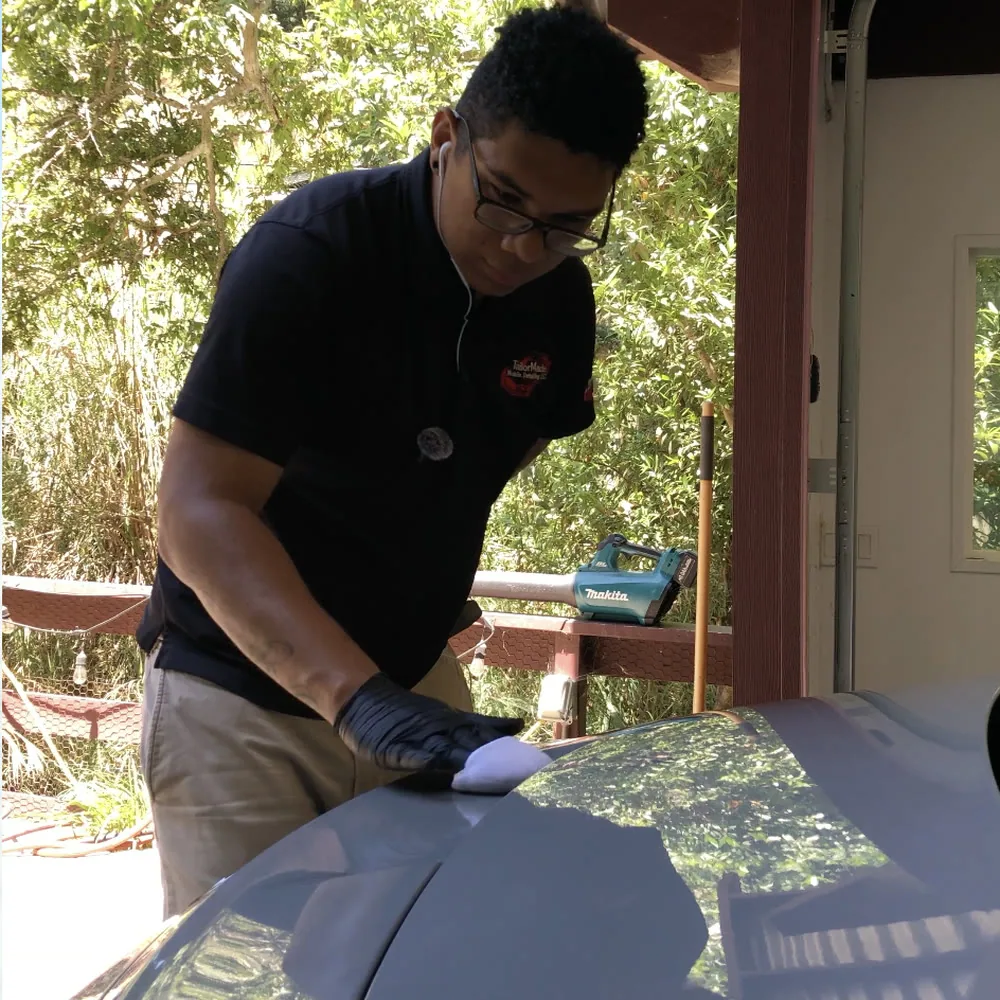
Tyroo West owns TailorMade Mobile Auto Detailing and details every car himself. He's trained in paint correction and ceramic coating, a certified SunCoat USA installer, fully insured, and has completed 300+ details since April 2024. More about Tyroo