Car owners often struggle with keeping their vehicle’s paint looking new. Regular waxing fades within weeks, while environmental exposure like UV rays and acid rain speeds up paint damage. This leaves many drivers searching for a longer-lasting solution.
Ceramic coating has become a popular option because it offers durable protection while preserving a car’s finish. But what is ceramic coating exactly, and how does it work on a car’s surface?
In this guide, you’ll learn what ceramic coating does, how it bonds to paint, what benefits it offers, and where its limits lie.
What Is Ceramic Coating?
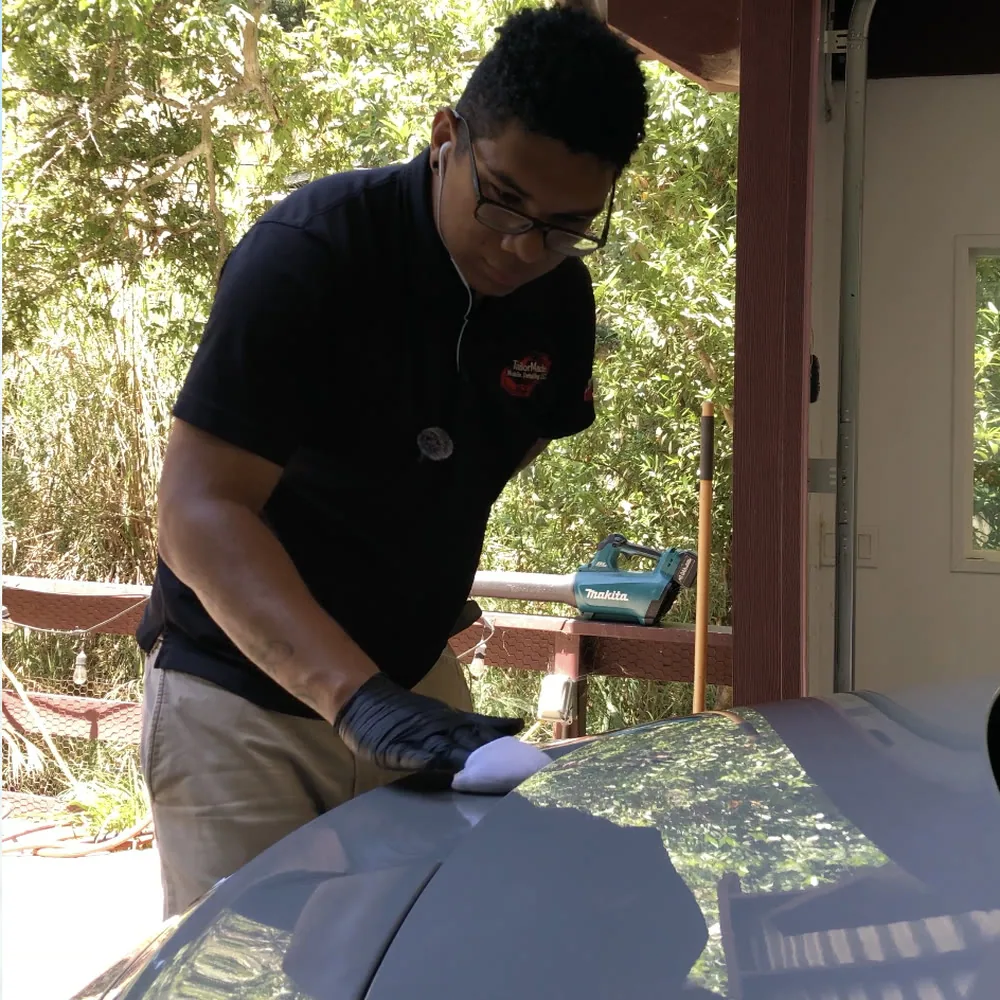
Ceramic coating is a liquid polymer applied to a car’s exterior paint. Once applied, it chemically bonds with the surface to create a thin, transparent, and durable protective layer. Unlike wax, which sits on top of the paint and wears off quickly, ceramic coatings cure into a hard surface that resists water, dirt, and UV damage.
This hydrophobic layer makes water bead and roll off, carrying away dust and light contaminants. It does not change the color of the paint but enhances gloss and depth, giving the car a freshly detailed look for much longer.
How Does Ceramic Coating Work?
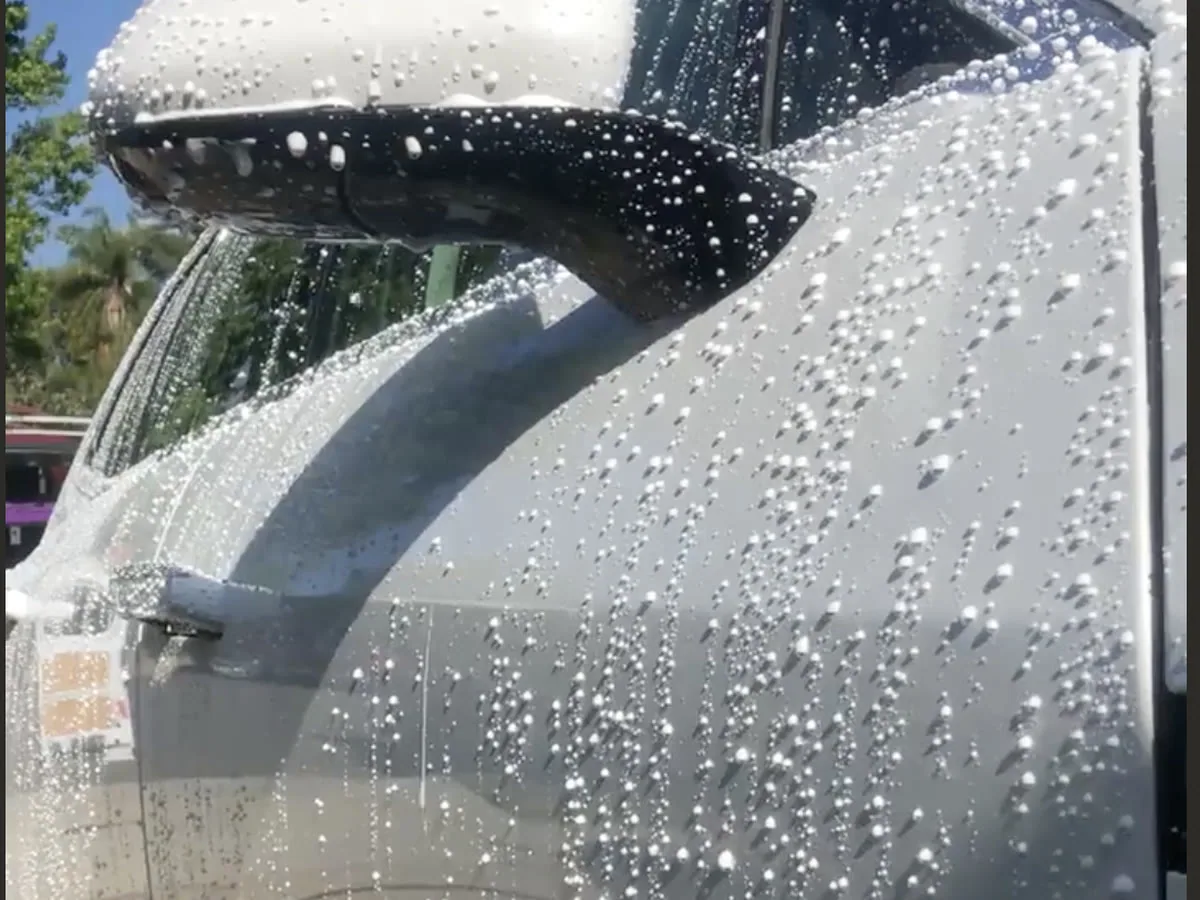
Ceramic coatings are typically made of silicon dioxide (SiO₂) or other nano-ceramic compounds. When applied, the liquid formula bonds at a molecular level with factory paint. As it cures, it forms a rigid shell that:
- Repels water and mud (hydrophobic effect).
- Resists chemical stains from bird droppings or acid rain.
- Protects against harmful UV rays that fade paint.
- Provides some resistance against minor scratches and swirl marks.
Because it bonds chemically rather than sitting on the surface, ceramic coating lasts far longer than wax or sealants.
What Are the Benefits of Ceramic Coating?
For most drivers, the main reason to consider ceramic coating comes down to how it helps them personally in daily use. Beyond the technical side, here’s what it means for you as a car owner:
Long-lasting protection
Traditional waxes wear off in weeks, leaving paint exposed. A ceramic coating, when maintained properly, creates a hardened layer that can last for years. This means your vehicle stays protected through different seasons without the constant need for reapplication.
UV defense
The sun’s ultraviolet rays are one of the biggest causes of paint fading and oxidation. Ceramic coatings help block UV exposure, slowing down the dulling process and preserving the paint’s original look for longer.
Easier cleaning
Because the coating is hydrophobic, water beads up and carries dirt, mud, and road grime away. This makes routine washes quicker, reduces the need for aggressive scrubbing, and helps you maintain a clean look with less effort.
Gloss retention
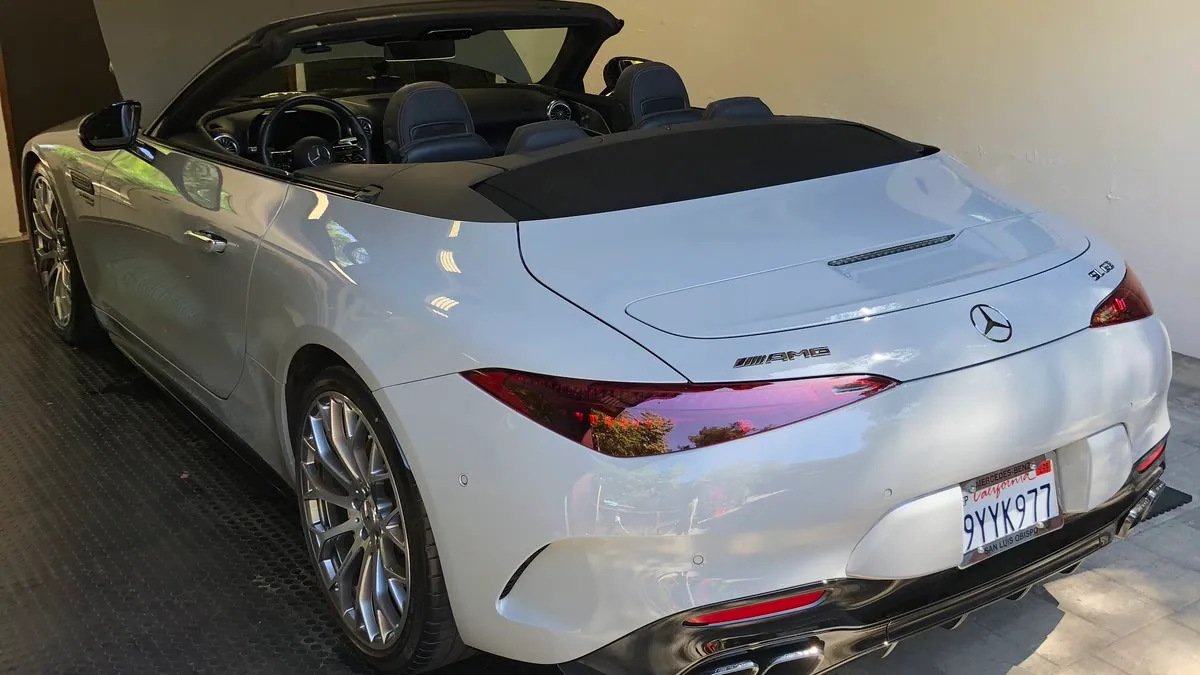
The coating enhances the depth and clarity of the paint, creating a consistent glossy finish. Unlike wax that dulls quickly, ceramic coating helps keep that freshly detailed appearance between washes.
Lower upkeep
By reducing the need for frequent waxing or polishing, ceramic coating saves both time and money. Many drivers find they only need basic car washes and occasional light maintenance instead of repeated detailing.
What Are the Advantages of Ceramic Coating?
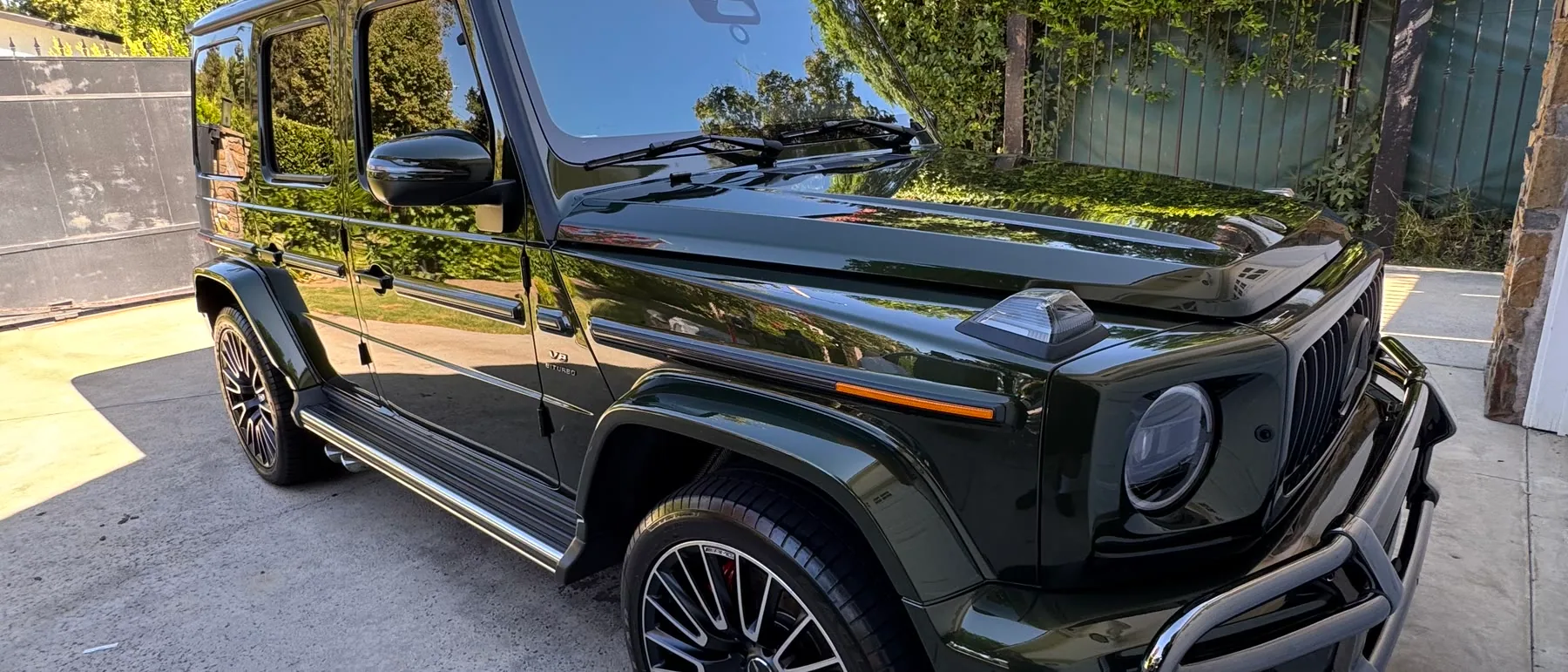
From a performance and product standpoint, ceramic coating has several clear advantages when compared with traditional protection methods like wax or sealants:
Stronger durability than wax or sealants - Instead of simply sitting on the paint surface, ceramic coating chemically bonds with the clear coat. This structural difference makes it much harder to wash away, giving it far greater durability.
Superior hydrophobic effect - Water naturally forms beads and slides off the surface, taking dust and contaminants with it. This water-repelling property is more effective and longer-lasting than what wax or sealants provide.
Enhanced chemical resistance - Everyday hazards like bird droppings, acid rain, or road salts can etch into unprotected paint. Ceramic coatings resist many of these contaminants, providing a stronger shield against chemical staining and surface damage.
Maintains appearance longer - By protecting against UV rays, dirt, and chemicals, ceramic coating helps a car retain its gloss and clarity far beyond what traditional products deliver. This means fewer reapplications and a consistently better look over time.
What Ceramic Coating Can’t Do
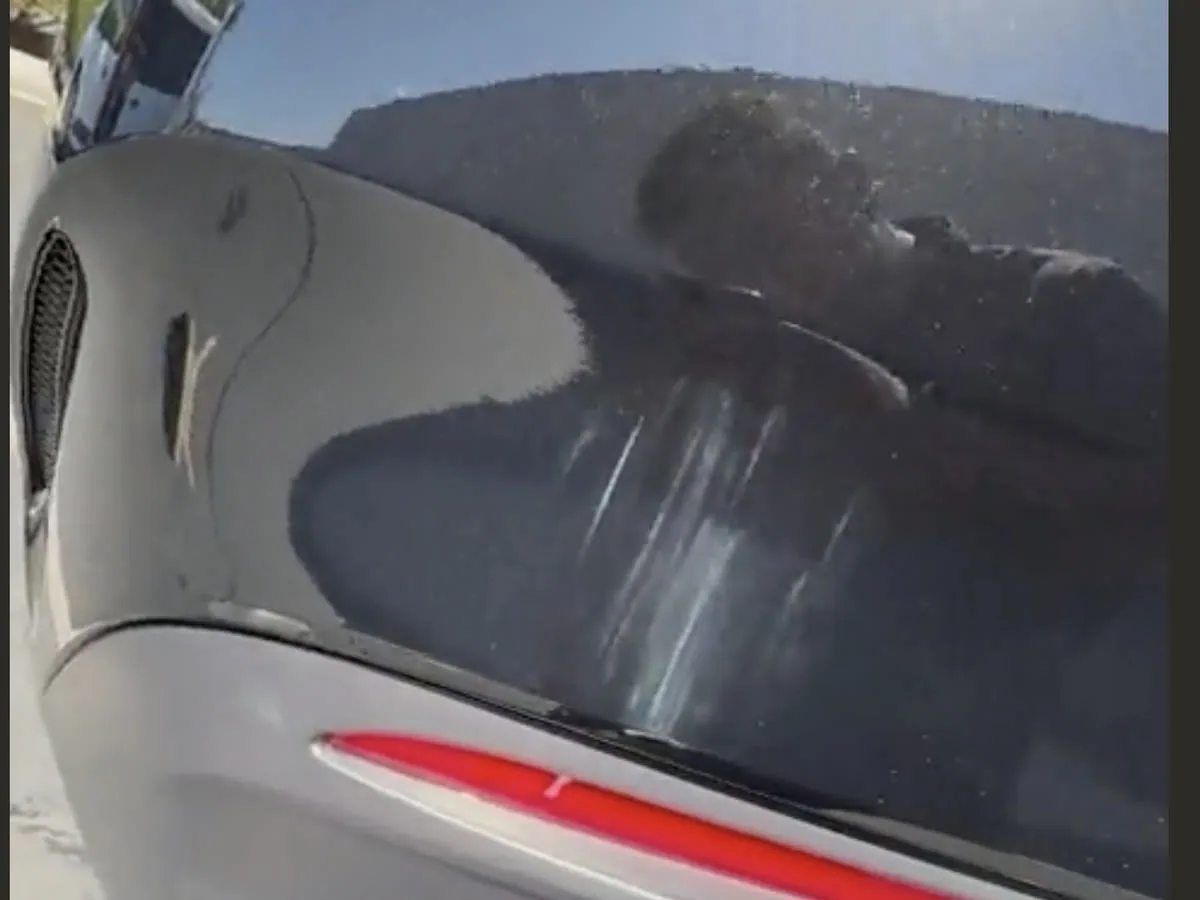
Ceramic coating is an impressive protective option, but it’s important to understand its limitations so you don’t expect more than it can deliver. While it strengthens your car’s defense against the elements, it is not a cure-all solution for every type of paint damage or wear.
Prevent rock chips or deep scratches - Ceramic coating creates a thin protective layer, but it isn’t thick or strong enough to absorb the force of gravel, road debris, or sharp objects. For impact protection, a product like paint protection film (PPF) is needed because it’s designed to handle physical damage.
Eliminate the need for washing - Even with a hydrophobic surface, dust, dirt, and pollutants still settle on your vehicle over time. While ceramic coating makes cleaning easier, it doesn’t make your car maintenance-free. Regular washing is still necessary to keep the coating effective and your paint looking its best.
Replace paint protection film (PPF) - Ceramic coating and PPF serve different purposes. Ceramic focuses on chemical resistance, UV protection, and easier cleaning, while PPF is designed to guard against scratches, chips, and other physical impacts. Many car enthusiasts use them together for maximum coverage.
Fix existing paint defects - Ceramic coating cannot repair scratches, swirl marks, or faded paint. In fact, applying it over damaged paint can lock in those imperfections. That’s why paint correction (polishing and preparation) is often done before applying a coating to ensure a smooth, flawless finish.
By keeping these limits in mind, car owners can set realistic expectations. Ceramic coating enhances protection and appearance but should be seen as part of a broader maintenance plan, not a one-step solution.
Is Ceramic Coating Worth It?
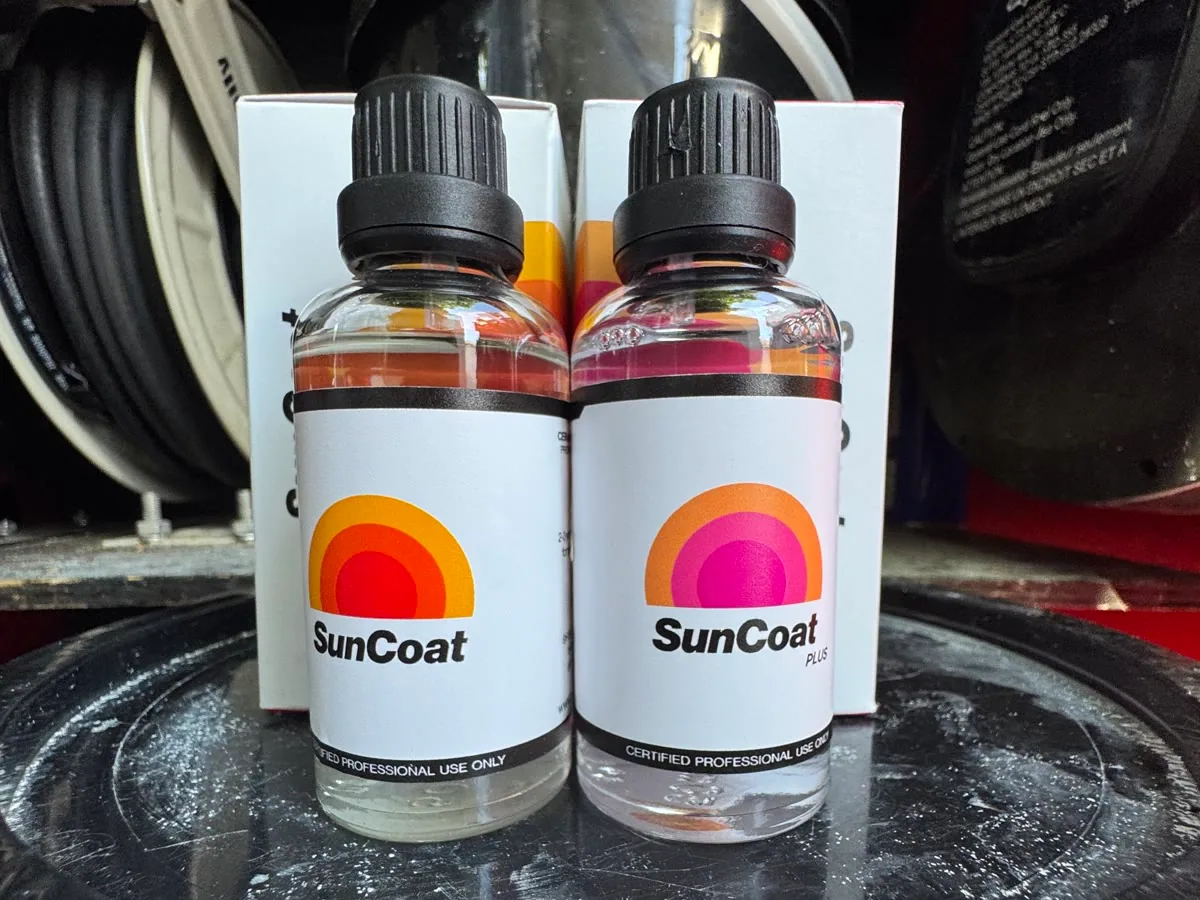
Ceramic coating is worth considering if you want longer-lasting protection and reduced maintenance compared to waxing. While it requires upfront investment, many car owners find the extended protection and time saved on upkeep valuable.
Some professional detailers recommend combining ceramic coating with routine detailing services for maximum results, especially if you visit a local detailing shop regularly.
That said, it isn’t essential for everyone. If your car is mostly stored indoors or you’re fine with regular waxing, you may not need it.
Final Thoughts
Ceramic coating gives your car long-term defense against UV rays, contaminants, and fading while keeping the paint glossy. It doesn’t remove the need for washing or other care, but it does make upkeep easier and helps preserve the finish. For many drivers, the combination of protection and appearance makes ceramic coating a worthwhile upgrade.
Book Your Ceramic Coating Services Today
Enjoy peace of mind knowing your car is protected from the sun, dirt, and daily wear. Call (323) 518-7192 or book online to schedule your ceramic coating service in Calabasas, CA. We’re also proud to serve Encino, Hidden Hills, Sherman Oaks, Woodland Hills, Topanga, and West Hills.